
AI meets Mayfair: How Artificial Intelligence Is Quietly Rewiring the Rules of Property
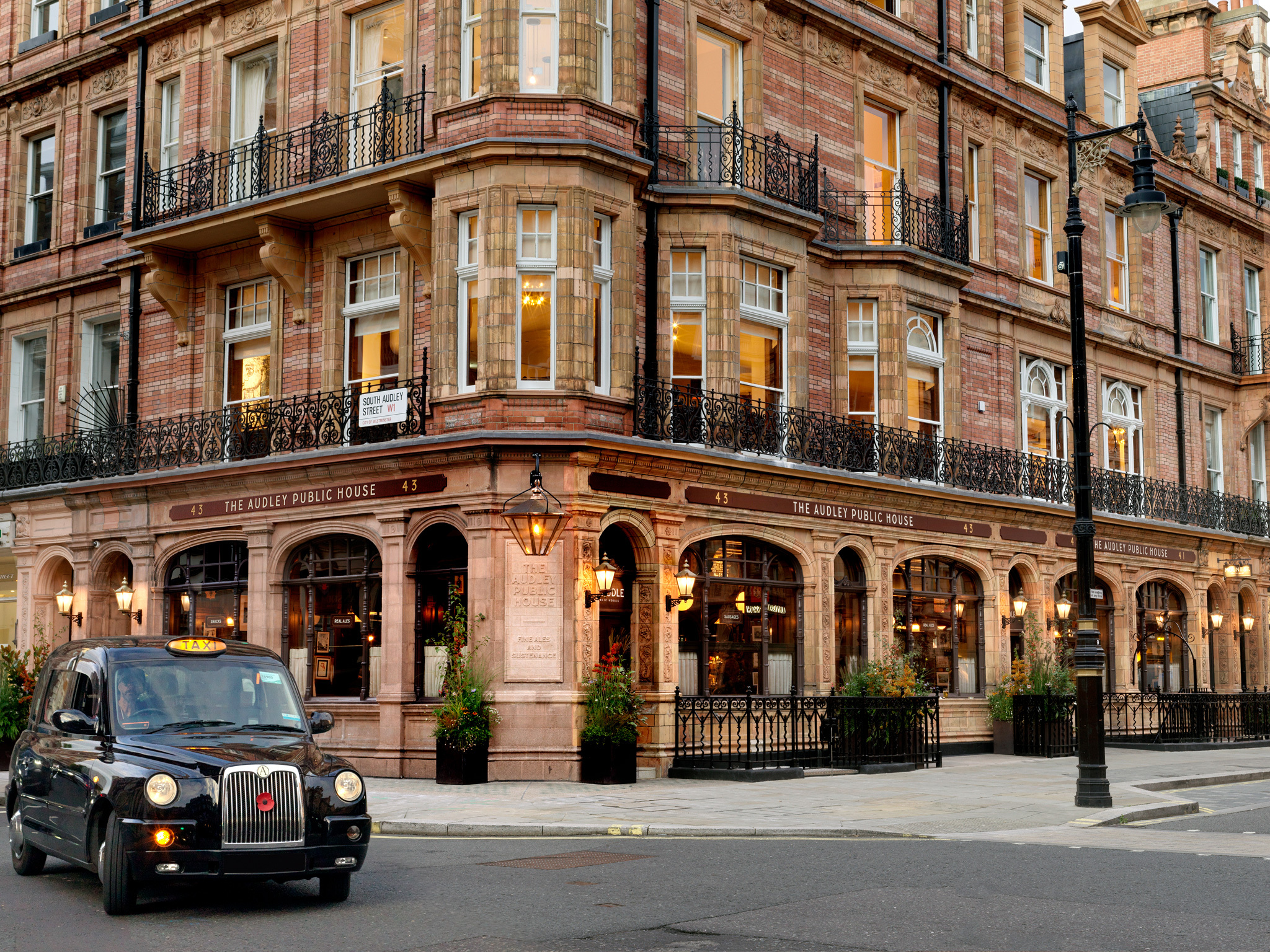
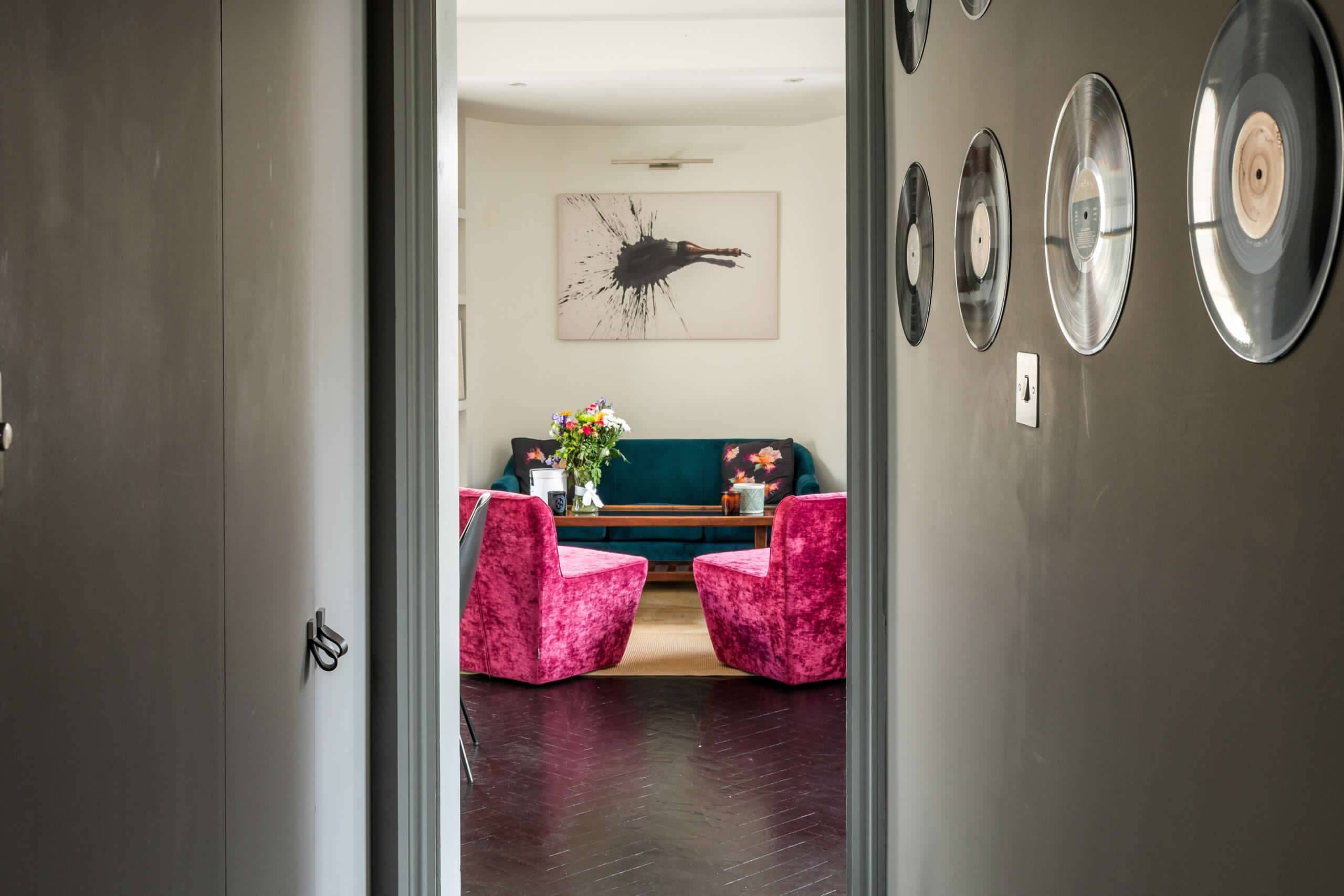
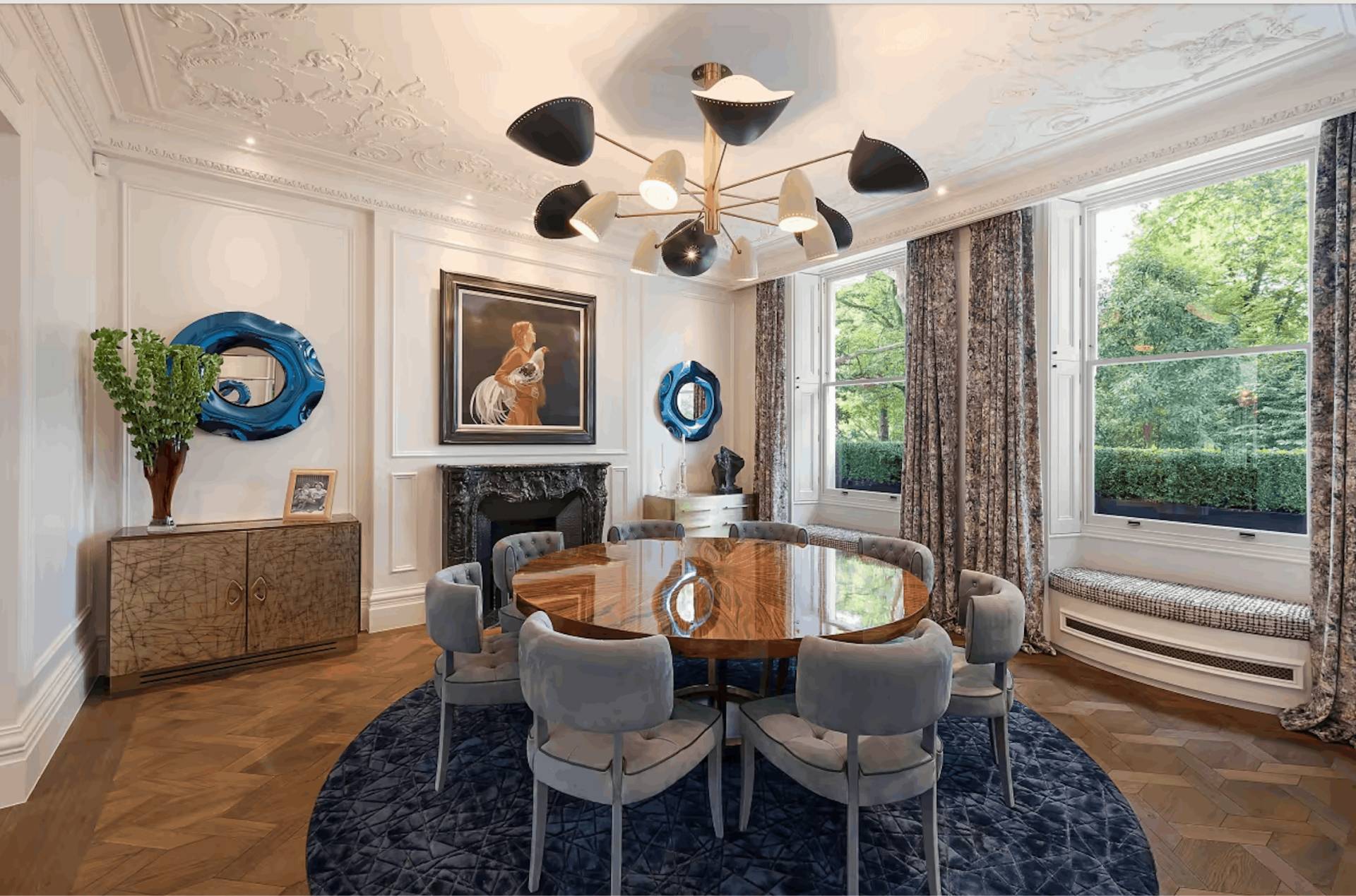
Behind the polished façades of Mayfair’s Georgian terraces, a new kind of intelligence is moving in. It doesn’t wear a tailored suit or drive a Bentley. It’s data — quietly learning, predicting and reshaping how London’s most exclusive properties are bought, sold and valued.
Artificial intelligence has already transformed finance, fashion and art. Now it’s stepping into the marble-floored corridors of prime real estate, and even Mayfair is not immune. The difference? In London’s golden postcodes, change happens quietly, elegantly, and always with purpose.
In an area where the difference between £10 and £15 million can depend on which side of the street you’re on, precision is everything. AI valuation models analyse millions of data points — not just square footage or postcode, but orientation, light exposure, street noise, and even online sentiment about a neighbourhood.
This goes far beyond what human intuition or traditional valuation methods can offer. The technology identifies micro-trends long before they reach the market: a quiet street suddenly attracting buyers from New York, or a once-overlooked building gaining prestige because of a new boutique hotel nearby.
Buyer profiling and digital matchmaking
In prime central London, property is personal. AI tools are now helping agents create what some call “digital buyer twins” — predictive profiles built on browsing behaviour, design preferences and lifestyle data.
For high-end buyers, this means properties can be matched to them before they even begin searching. A collector relocating from Milan might be shown homes with gallery-style lighting and climate-controlled basements. A family from Singapore might receive recommendations focused on proximity to international schools and green spaces. It’s no longer just about finding a home — it’s about being intuitively understood.
Intelligent design and virtual staging
Interior designers and developers are also adopting AI to predict what kind of aesthetic will resonate with a specific audience. A Knightsbridge bachelor flat can be virtually restyled in seconds to feature dark oak panelling and Italian travertine floors for an investor from Rome. A Mayfair penthouse can be rendered in a soft Scandinavian palette for a buyer from Stockholm.
AI has become the invisible stylist — refining every texture, colour and perspective until a space feels effortlessly desirable.
Discretion in the digital age
Luxury real estate has always thrived on trust, privacy and human connection. But as algorithms begin to shape what we buy, how we value, and even what we find beautiful, a quiet tension is emerging. Who owns the data behind these choices? And how do we balance exclusivity with transparency in a world where everything can be predicted?
The paradox is striking: the most private clients in the world are being served by systems designed to know them better than they know themselves.
The future of intelligence in luxury property
For decades, Mayfair has defined sophistication through craftsmanship, heritage and discretion. Artificial intelligence may be the next layer of that legacy — unseen yet powerful, enabling agents, buyers and developers to make sharper, faster, and more emotional decisions.
Mayfair has seen centuries of change — carriages, Rolls-Royces, crypto millionaires — and now algorithms. The only difference? This time, the new resident doesn’t need a key to move in.